world-cup nation identity
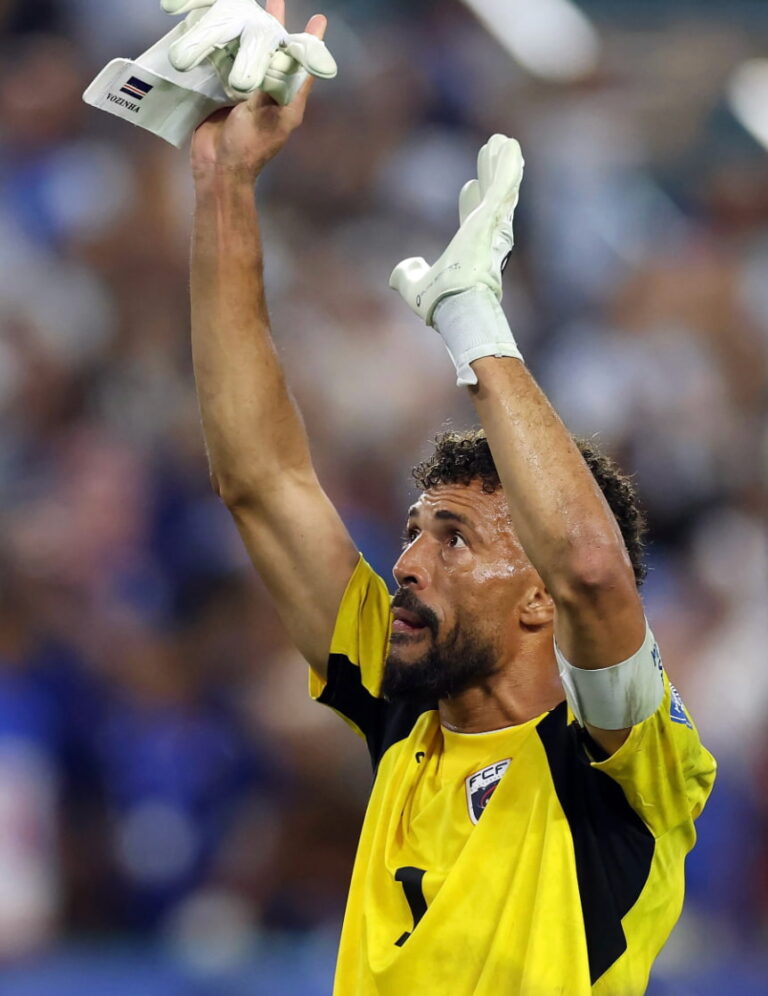
The World Cup craze came to the US, and it has been an exciting few weeks filled with football matches that put countries facing each other for the ultimate prize of declaring themselves the leaders of one of the most beloved sports in the world. As we get distracted by this short-lived but sweet period of festivities and civilized competition, the atrocities, injustices and anxieties that have bled into our societies and pushed us apart take a break and quietly get moved to the back of our minds, simmering. A lot of people, wary and distrustful of FIFA (rightfully so!), were skeptical about the benefits of increasing the number of teams participating in the World Cup from 32 to a total of 48 (a 50% increase!). Teams like Curazao and Cape Verde did not inspire much assurance that the quality of the football played was even stay the same as in previous more restrictive editions. People were worried that adding more teams would lead to saturation for the fans, and would not give the players enough rest to perform at a good level, especially after most of them coming to the World Cup stage after their club seasons. After getting through the group stage, I have to say that I think those concerns, while reasonable, were not met significantly. The theoretical “smaller” teams surprised the fans and even some of the teams with many years of international experience at the highest level. Teams like Cape Verde showed organization, composure, and identity, posing significant challenges to their more seasoned adversaries, and turning those matches into beautiful World Cup memories of David vs Golias. They brought the emotion and the support that only the underdogs can rally behind them. They delivered a great spectacle, and for that any football fan (and FIFA) should be thankful to them. The story of [Vozinha][https://en.wikipedia.org/wiki/Vozinha], the phenomenal goalkeeper of Cape Verde 🇨🇻, with his humble and fierce composure against teams like Argentina, will be a front-row topic of the 2026 World Cup. A clear snapshot of what this competition means for so many people. For all this, the question that has been on my mind is: how did these teams tipped the scale towards their side, when the weights seemed to heavy?
I believe the answer can be summed up pretty much in globalization, free movement of people, and the fluidity in nation identity that can come with it. Give people time and freedom to move across the world, and they will bring not only start a new life away from the place they were born and raised, but if you wait long enough, you get to see some of their children, raised in their newfound home, coming back to the roots of their parents, or even grandparents. We come to see the diaspora as a one way road that connects the nation to the outside, each immigrant carrying a little part of the culture, identity, and ways of their people. But it can be, and many times is, a way back to the start. A new beginning, even if that new beginning happens several generations apart. [FIFA rules][https://www.usatoday.com/story/sports/soccer/worldcup/2026/06/03/fifa-world-cup-eligiblity-naturalized-players-passport/90376422007/] have allowed for many years for some players to play for a different team than the one they were born in, and the changes made in the last years allowed for many emerging football nations to tap into their diaspora to level the competitive field. In this World Cup, about [one in four players][https://www.bbc.com/news/articles/cz9lj5k7lp1o] is playing for a team of a country they were not born in. There are voices concerned that this risks a loss of identity in the national football teams, making them more similar to the reality of clubs where money and prestige move players towards the richer clubs and leagues. In the context of a highly globalized world, with migrations happening predominantly in favor of established football nations, these nations can resort to naturalized immigrants to bolster their own teams - but the other way, for some reason, it is looked down upon. It seems to me that this view takes more into account the access of the player to infrastructure and the resources of the nation that the player’s parents/grandparents immigrated to, than the players’ own potential and innate skills. But things tend to be more nuanced. Players are shaped by their training, but are influenced - like anyone - by their family, culture, and upbringing. Players that get to a professional level work hard. No player is simply a product of the football nation they were raised in. They have agency, and many times they have lots of hurdles in their way. They might have to fight against prejudice, language barriers, class and social disadvantaged upbringings, and other challenges in their new country, only to be accepted as equals by their countrymen when they get to stardom. Even then, only when they help the team win. Özil words reminds us of such cognitive dissonance: [“I am German when we win, but I am an immigrant when we lose” ][https://www.cbsnews.com/news/mesut-ozil-quits-germany-world-cup-team-alleged-racism-erdogan-handshake/].
These changes to representation by FIFA raise the competitiveness of emerging football nations, make for more exciting matches, and still ensures the integrity of the identity of each country’s football nation by restricting the eligibility of players to play for different countries, especially after a certain age and number of matches played for a given national team. It might even have a positive influence in emerging nations as these diaspora players lead or at least support the effort to increase the quality of football and the resources that are put into the sport at the national level in those countries. Emerging nations cannot be simply reservoirs of potential “resources” that established nations can tap into for their own interests. If we accept a highly interconnected world of nations, then those paths cannot be solely one-way routes.