If there has been a piece of Western literature that has been retold and reinterpreted numerous times throughout the last two millennia, is the mythic journey of Odysseus back home to his family in Ithaca after the end of the Trojan War. The Odyssey illustrates well our ability to share stories, first orally, then written, and now even over the air or deep under the sea, through cables that flow each character as a bit in our digital twin world. If the old Greeks knew about this metaphysical world, I wonder whether they would have a God to rule over it. Sharing is a lossy action - from a fidelity standpoint - and those that retell a story imbue it with their views of the world, their place in it, absolute and relative to the story shared. There are many dimensions to the original artifact. Depending on the translator (here in a more broader sense), the final result will look different from other versions. Some authors might try to change the plot. Perhaps add new mythical creatures that roam through the minds of their contemporaries. They might look at the hero’s journey through a different lens, more or less optimistic depending on the Zeitgeist. The stylistic choices made by the reinterpreter play a fundamental role on how the audience consumes and experiences the story. There are some that try to keep their version close to the “source”. Others decide to modernize it, adapting the original work to the vocabulary, idioms, and syntax of their times. Some will strive to have the same or similar cadence and verse structure, while others will free themselves from the original framework, and use a new canvas to reproduce the work with a new rhythm. By playing with the set of all these possibilities, we can reshare the same story over and over again, each time with a different twist. This should be something to cheer for: to have a story that gets weaved through time and space, like a snapshot of human language, culture, and more broadly, its civilization.
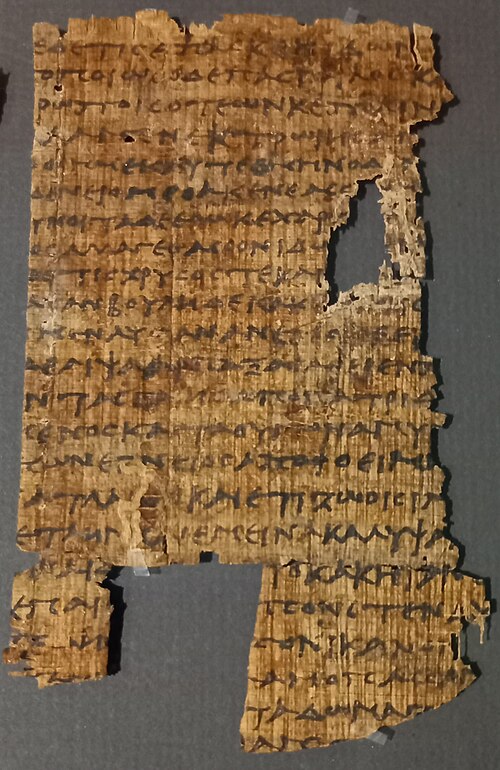
We live constantly enshrouded in myths: the myth of Homer, the author of Iliad and Odyssey, the latter itself the mythical story of the journey of a faulty and conniving (imperfect) man back home against the will of arrogant gods; and, finally, the myth that these stories can empower about the ethos - and mythos - of the “White man” and Western civilization in the context of human History. Nothing is more constant than our ability and inclination to keep retelling stories while lending and etching a bit of our minds and souls in the process.
Note 1: while Nolan’s Odyssey was visually stunning and joined by a great sound work, as usual, it traps itself in some tropes about the hero that are too common in Nolan’s stories. Odysseus is a man haunted by his past and looking for redemption. Which he will get at the end - all while many other potentially interesting characters have no screen time, and the Gods are mostly off-screen or simply manifest themselves indirectly. Every part of the plot is crammed into a sub 3-hour movie that could have been easily better as a series.
Note 2: the Dome IMAX Theater at the San Jose’s The Tech Interactive Museum is not the right format for this kind of movie - although having the focus mostly in the center of the film helps greatly avoiding moving the neck too much to keep track of what is happening on the edges of the screen!